Seeni Banis
I stood in the doorway of the house for a while before I went back in to sit with her again. Something in me was too full to name. I went in anyway.
 Chanuka Nadun
4 min read
A man used to come by bicycle every morning selling lottery tickets. Seeya bought a few most days, and let me pick two, a numbered one and a scratch card. Once, a ticket I picked won a hundred rupees. Instead of taking the money, I wanted to buy more tickets and win even more. Seeya didn't say no. He said okay, you can do that too. I lost it all trying, and we laughed about it anyway.
I thought that was the whole story for years.
After he died, at a family gathering, I heard that the ticket man still makes his rounds. I heard it was never really about winning. Seeya bought from him because he wanted to help him. He was a great man. I was too young back then to understand that about him.
My heart was heavy the night before I went, heavy enough that I barely slept.
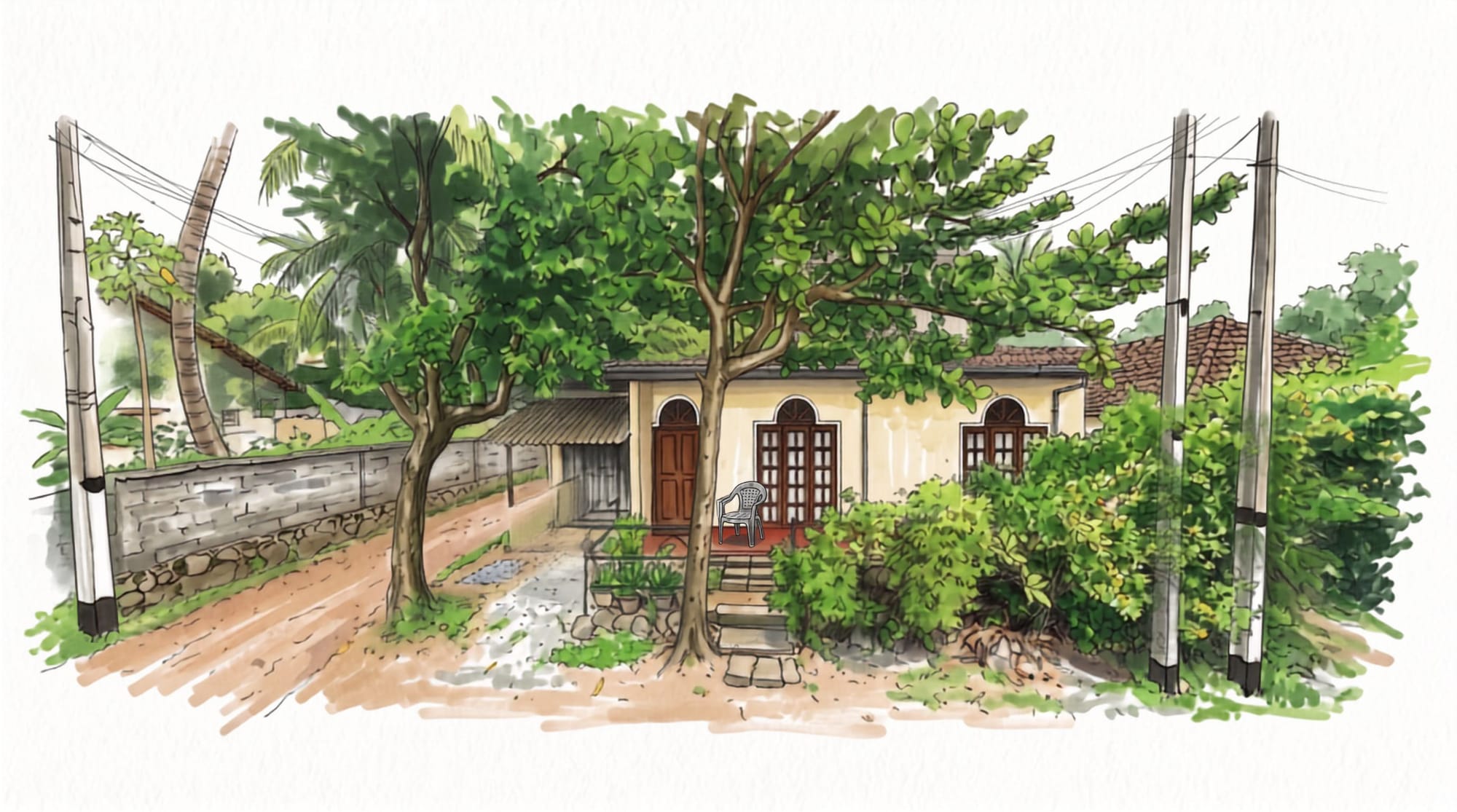
I used to go to Gampaha, to my mother's parents' house, every school holiday when I was a kid. I called them Gampaha Seeya and Gampaha Achchi, because that's where they lived. I still went a few times after Seeya died, but less and less as the years went on. Yesterday I finally went back, to see Achchi. She'd had a sudden accident and stays in one place for now, though I don't think it will be that way forever.
The house looked the same as it always had. The yard didn't. It was never really big. It just opened straight into the next house, no gate between them, so I used to run from one house to the other like they were the same place. This time it felt smaller than the last time I'd been there. Across the fence, where Achchi's younger sister used to live, the place is now used to repair vehicles.
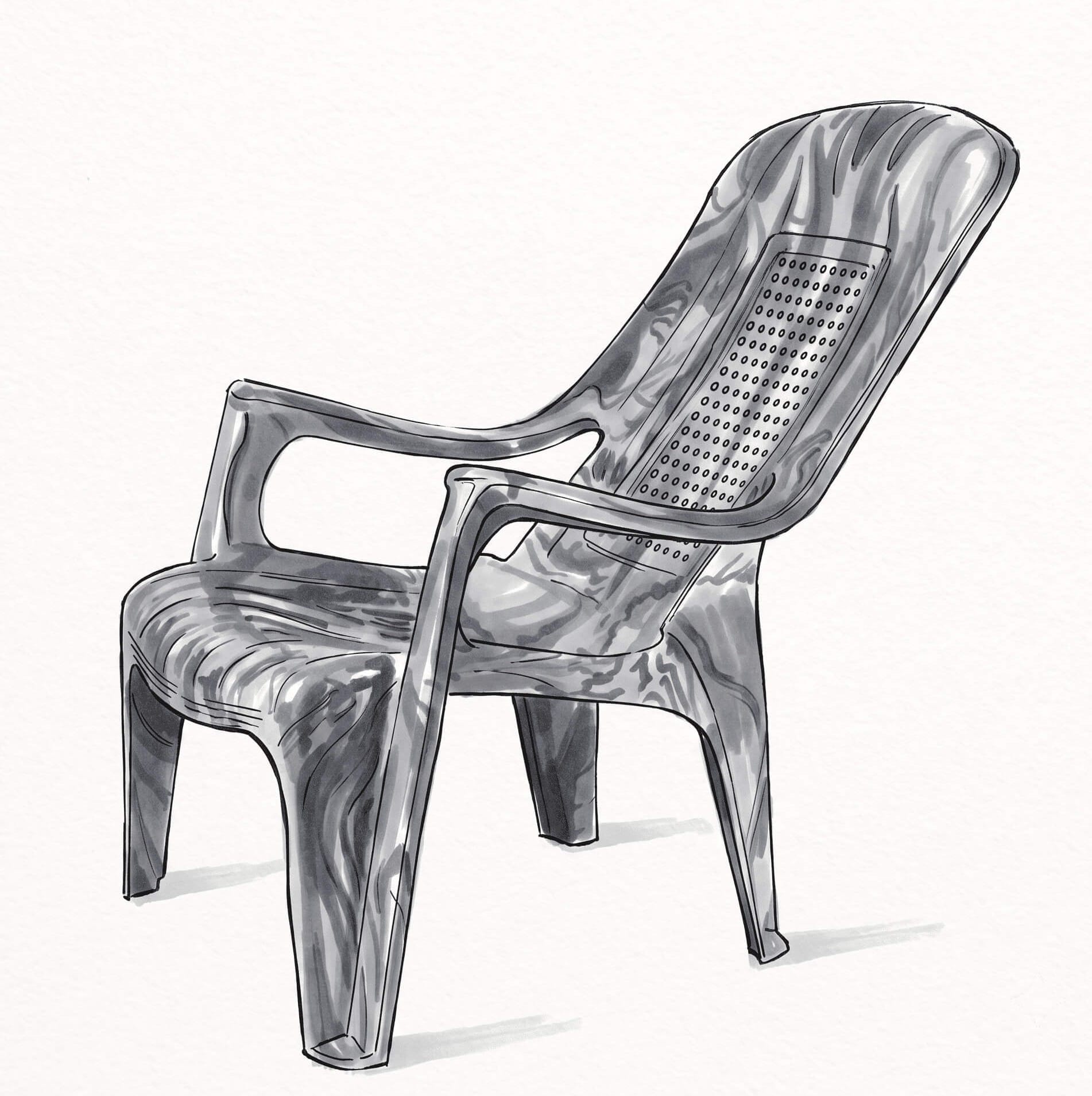
Near the shop there's a kamaranga tree. Seeya used to sit under it every morning in a gray plastic chair, a Damro, low to the ground, the kind you sink into a little and have to work to get back out of, at least the way I remember it as a kid. He'd read the newspaper there, then doze off for a bit while I looked after the store, sitting in his chair, sorting through the money drawer. When he woke he'd hand me the paper, and I'd read it in the same chair after him. The chair's been gone for years now.
Sometimes something would fall from the tree, an insect, a yellowed leaf. It never bothered either of us. There was a strange peace in that spot. Even with the main road close by, the traffic loud enough to hear, I felt calm there. Standing near that same tree yesterday, I understood I hadn't felt that particular calm anywhere in all the years since.
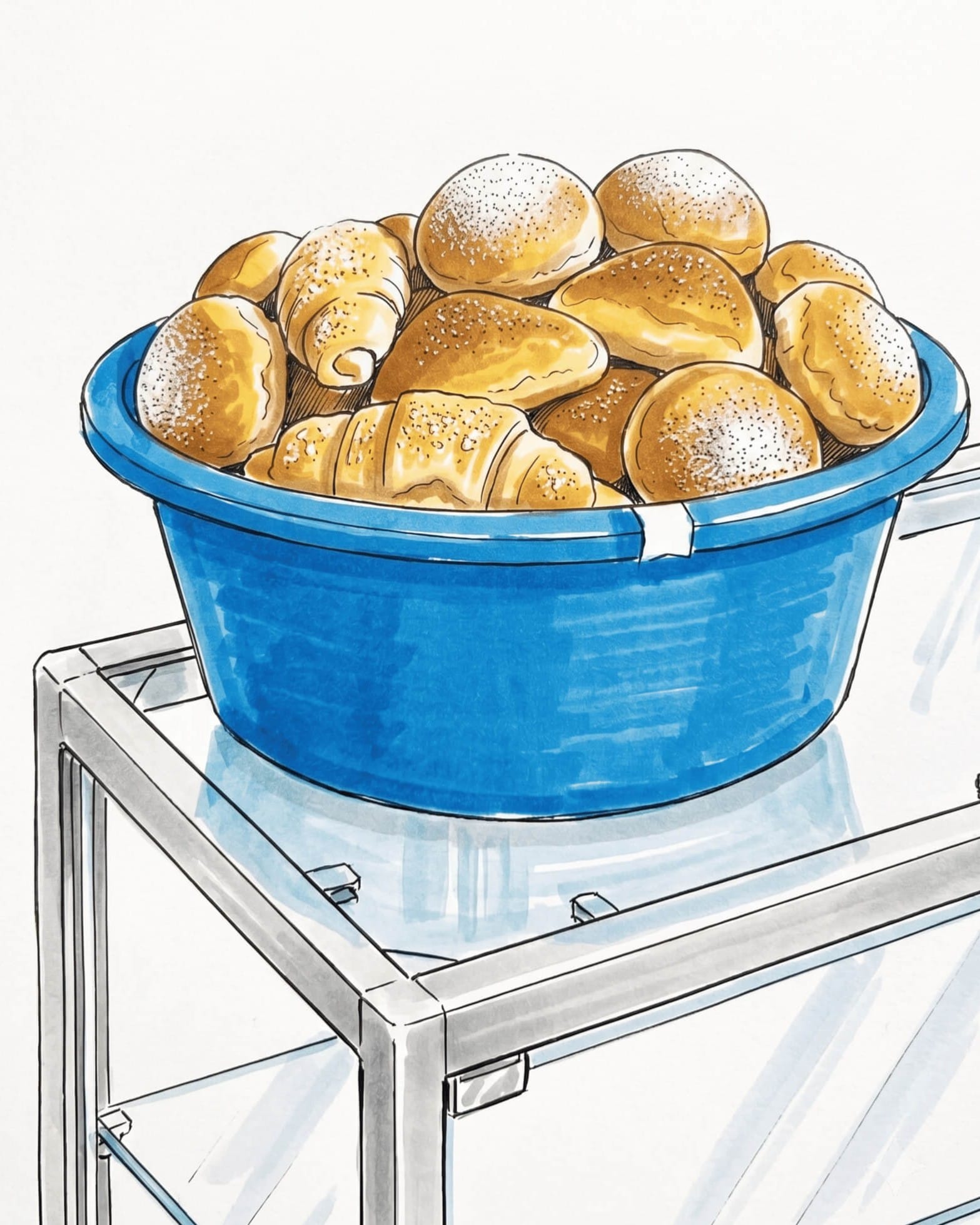
The shop was right next to the house. Seeya opened it before sunrise every morning, lighting the lamp himself. The first thing to arrive was always hot bread, straight off the oven, and by evening almost all of it would be gone. He kept the kimbula buns, malu paan, and my favorite, seeni banis, together in a plastic basin.
I loved the seeni banis, the regular buns with extra sugar pressed on top. On the days I visited, Seeya always set aside one or two extra for me, because he knew exactly how much of a glutton I was for them. On the rare day any were left unsold by evening, they never went to waste. I was there to eat every one of them.
When it was time to head back to Colombo, he'd send me off with a huge bag from the shop, and I could never wait to get home and open it. Chocolates, biscuits, noodles, whatever he'd noticed I liked while I was there, it was always in there somewhere.
A lot of people came to buy things. During school holidays I used to help, handing out goods, collecting money. Some people called me podi mudalali. I was proud whenever they said it.
Seeya traded fairly. He never overpriced anything. My mother told me once that part of the reason the shop never made much money was that he gave things on credit to people out of good-heartedness, some of whom still haven't paid him back to this day. As I got older I understood something else too. Whenever I visited, the shop lost more than usual. I think some of that loss was me.
Someone else runs the shop now, for Achchi, for whatever income it still brings her. I wanted to go back inside and ask her about the bakery that used to make those seeni banis. I was already fairly sure it didn't exist anymore.
Under the same tree, whatever kamaranga the parrots had half-eaten, the ones that fell before they could finish, we'd throw back onto the roof to give them a chance to finish instead of throwing them away. Some mornings a few fruits the birds hadn't touched at all would be waiting there instead. Seeya called them gifts, payment from the animals for something good we'd done. I believed him completely.
A lot has changed. So have I. I stood under the tree Seeya and I used to sit under. Looking up, it had grown taller. So had I. I walked over to the kamaranga tree anyway and looked underneath, out of habit more than anything. There were a few fruits under it, same as always.
Every time Achchi or her sisters visited us in Colombo, they'd ask why I never came, or tease me about it. I'd usually laugh it off, say I'd come soon. I think I finally understand why soon never actually came.
The memories I have of this place could fill a book. It was a good childhood, and Seeya and Achchi were a big part of it. I don't think I'm ready to accept that Seeya won't be there anymore, waiting to welcome me with seeni banis when I arrive, or that his face won't go a little sad the way it always did when I left.