
The Back Streets
If you lost your sight tomorrow, what's the thing you'd be most afraid of losing?
It came up in the middle of a conversation I barely remember now. One of my closest friends said he was afraid of forgetting his wife's face. Not losing her. She'd still be there, right next to him as he reads this. He meant the memory of it. How she looks. How she looked at him. He said he was afraid that even with her right next to him, he'd lose the version of her that lives inside him.
I sat with that for a second and thought, that's love. That's exactly what that is. And then we moved on to whatever we were actually talking about and I filed it somewhere in the back.
But it stayed. I didn't know it stayed until much later when an Instagram video about memory showed up in my feed. The algorithm doing that thing it does. And suddenly his answer was back in my head, except this time I was looking at it differently. The video asked something simple: if you lost your memory and had to entrust one person to tell you who you were, who would you choose? Not who loves you most. Not who's known you longest. Who knows the truest version of you.
That question and my friend's fear landed next to each other in my head and something shifted.
He wasn't talking about losing her. He was talking about losing how she lives inside him. The one no photograph gets right because photographs are posed or accidental and neither of those things is the real face of someone. The real face of someone is the one they have when they're not performing anything for anyone, and that version only exists in you. It doesn't exist anywhere else.
That's what he was afraid of. Not her absence. The erosion of her presence inside him.
And then the other question showed up, the one that actually kept me up. If you lost your memory, who would you send someone to? Not who loves you most. Who knows the truest version of you. Who could give you back to yourself.
I thought about it for longer than felt comfortable.
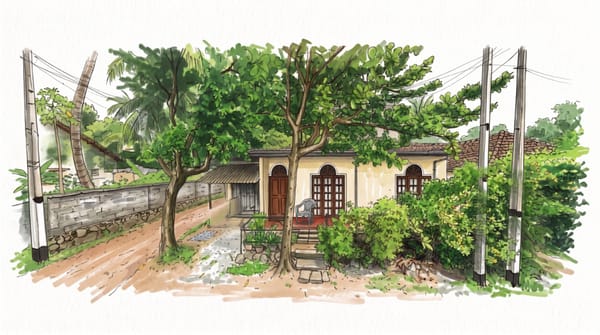
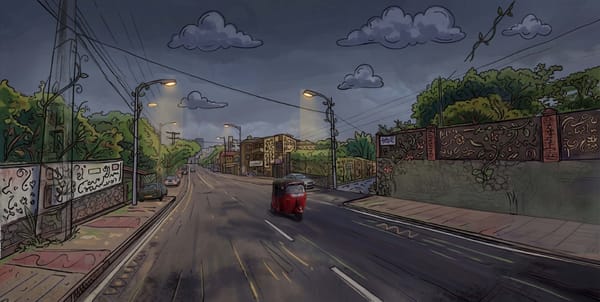
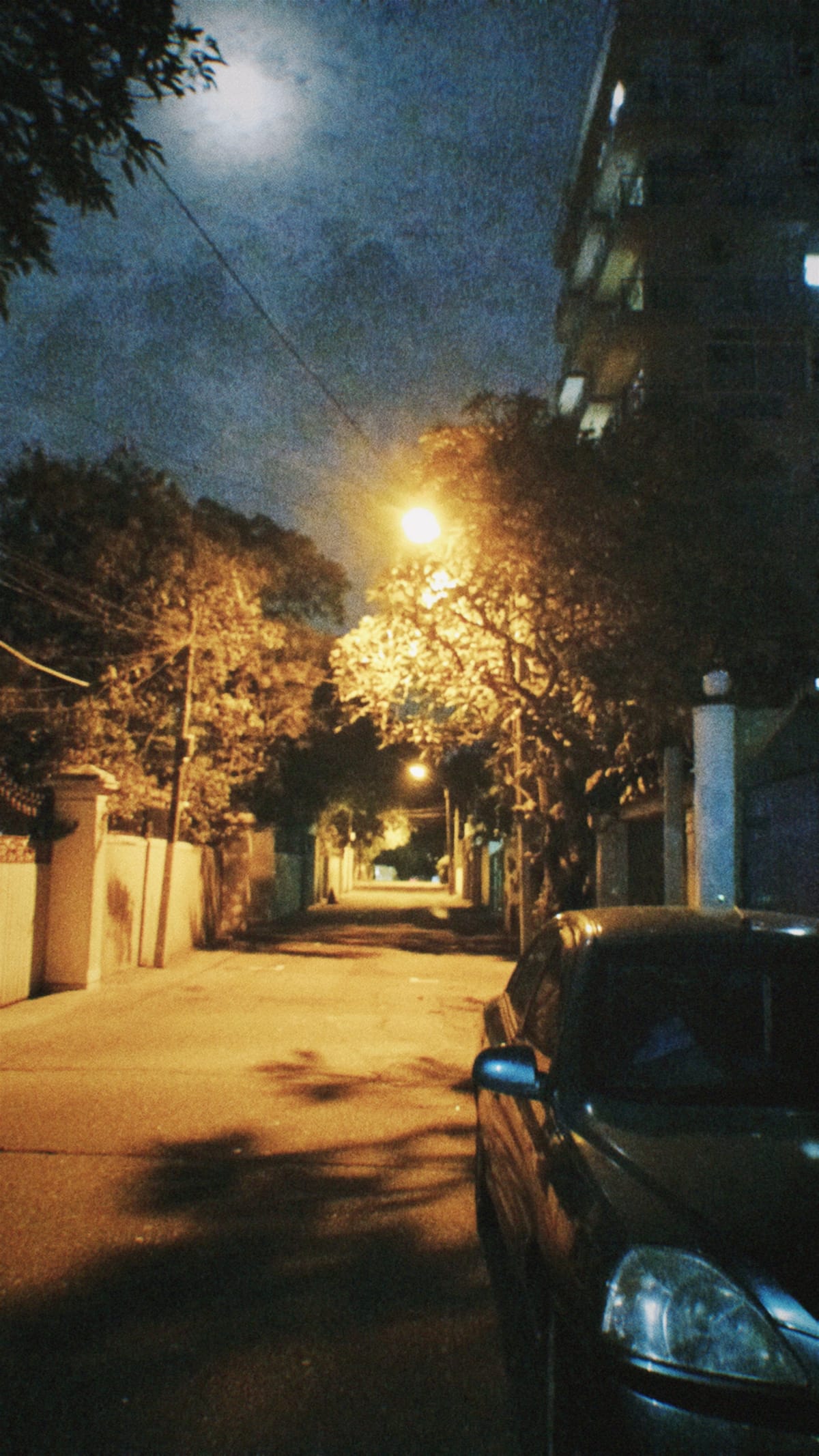
I have people. I want to be clear about that because this isn't a story about being alone. I have a close circle, people who have been around for years, people who genuinely show up. But when I actually sat with that question, really sat with it, I realized that most of them know me the way you know a city when you've only ever taken the main roads. The broad strokes are right. The general shape is there. But the back streets, the ones that actually tell you what a place is, they haven't been down those.
Not because they didn't want to. Because I never showed them where the back streets were.
I've been building walls for so long that it stopped feeling like building and started feeling like just the way I'm structured. A version of me for work. A version for family. The version that shows up at Barista at 11pm and talks for three hours but still somehow doesn't say the thing that's actually going on. I got good at presence without exposure. At being in the room fully while keeping the actual room, the internal one, locked.
It felt like control. Maybe it was. But sitting with that memory question I understood what it actually was.
If everything went dark tomorrow and someone came looking for who I am, whoever I sent them to would hand them back a partial version. They'd be working from what I allowed through. The curated parts. The walls would have done their job so well that even I wouldn't know what got left out.
My friend's fear is about love. There's something almost beautiful in it, that specific terror of losing someone who is still right there, because it means they're so completely inside him that the idea of that fading is its own kind of grief. His fear has a face in it.
Mine doesn't.
And I don't mean that the way it might sound. I'm not sitting here feeling sorry for myself, or at least I'm trying not to. But when I looked at the two questions next to each other, the sight one and the memory one, I noticed something. His version requires you to have let someone in completely enough that losing their image from inside you registers as loss. My version of the question has a different problem. Not who I'd be afraid of forgetting. Whether anyone is holding enough of me to give me back.
I built something efficient. I really did. Nothing gets in that I don't want in. Nothing gets out that I don't approve. And it works, mostly, in the day to day. But a question like this one cuts through all of that because it doesn't ask you how you're managing. It asks you what would be left if all the managing stopped.
I don't have a clean answer. I'm not sure I was supposed to find one.